From mastering Metro Line 2 to saving KRW 45,000 (USD 30) monthly with the Dongbaek Pass, here is how to navigate Korea’s coastal hub like a local.
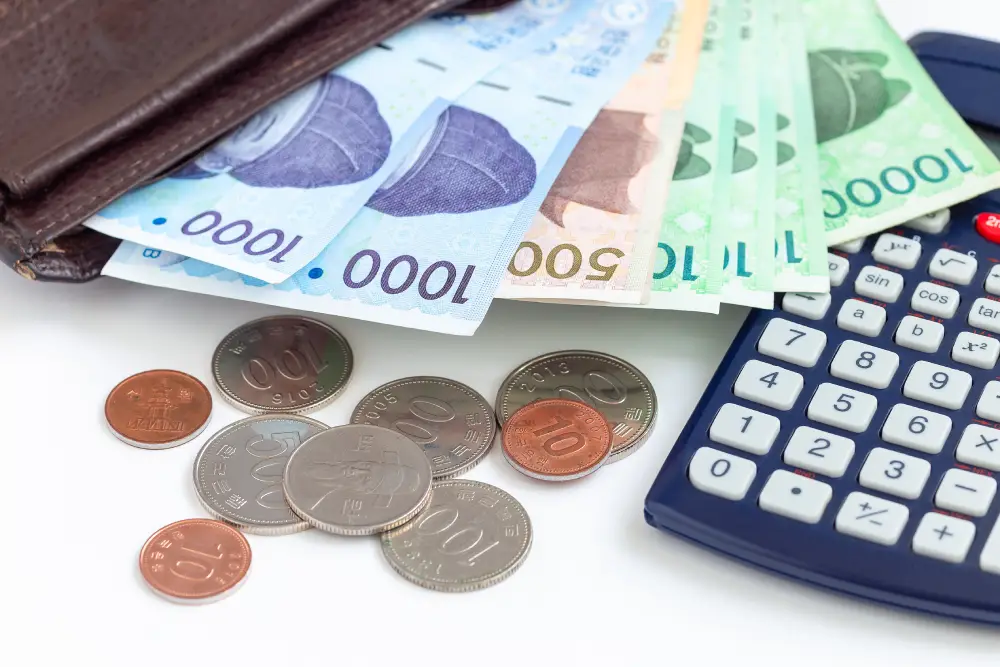
Navigating Busan public transportation is defined by the “Dongbaek Advantage.” Unlike Seoul’s upfront Climate Card, Busan uses a city-wide refund system that rewards frequent commuters with up to KRW 45,000 (USD 30) in monthly cash-back. Whether you’re heading to class at Silla or catching the sunset at Gwangalli, the system is designed to be efficient, high-tech, and, most importantly, affordable for the international student budget.
What You’ll Learn
- The Dongbaek Pass: Spend over KRW 45,000 (USD 30) a month on Busan public transportation and get the excess (up to KRW 45,000, USD 30) refunded as local currency.
- Metro Line 2 (Green): The “University Line,” connecting the Sasang cluster (Silla) to the Daeyeon cluster (Kyungsung).
- Bus Accuracy: Naver Map and KakaoMap are essential; Busan’s mountainous terrain makes GPS tracking more reliable than any printed schedule.
- Shuttle Systems: Both Silla and Kyungsung operate specialized campus shuttles from nearby metro stations to save you from the “Busan hills.”
- Transfer Window: Enjoy free/discounted transfers between bus and metro within 30 minutes (extended to 60 minutes at night).
On this page:
What is the best way to get around Busan as a student?
While the metro is the most punctual way to traverse the city, Busan’s famous “Village (Maeul) Buses” are often the only way to reach campuses like Silla University, which are built into the hillsides.
For long-distance travel, the Metro is king. It’s fast, air-conditioned, and immune to Busan’s legendary traffic. However, for that “last mile” to your dormitory or a hidden hillside cafe, you’ll need the Village Buses.
Pro Tip
Forget Uber or Grab. They are either non-existent or overpriced here. For a private ride, download Kakao T; it’s integrated with the city’s transit grid and offers student-friendly “General” (standard) or “Venti” (large group) options. Just keep in mind that “Black” is the luxury premium service and by far the most expensive choice.
How to use Busan Public Transportation: The Metro Guide
The Busan Metro is notoriously clean and easy to navigate; however, students must remember that Line 2 is the primary connector for both Silla and Kyungsung campuses.
- Line 1 (Orange): Connects the historic Nampo-dong to the central Seomyeon hub.
- Line 2 (Green): The Student Artery. Use Sasang Station for Silla University and Kyungsung Univ.-Pukyong Nat’l Univ. Station for the Daeyeon-dong social scene.
- Line 3 (Brown) & Line 4 (Blue): Useful for reaching the northern residential zones and the Busan Exhibition and Convention Center (BEXCO).
Mastering the Bus: Etiquette & The “Mountain Route” Reality
Busan bus drivers are legendary for their speed on narrow mountain roads; always secure a handle immediately after tapping your card to stay safe.
Busan’s geography is unique, and so are its bus routes. You will likely encounter the “Village buses” (Maeul Bus), which are smaller and navigate steep inclines.
- Tap In, Tap Out: Always tap your card on the reader when you board and when you exit.
- The Bell: Press the red “Stop” button before your stop, or the driver may skip it.
- Hold On: This is the “Honest Expert” warning. Busan drivers take corners with spirit!
How the Dongbaek Pass Saves You Money
The Dongbaek Pass effectively makes half of your monthly commuting “free” once you pass the KRW 45,000 (USD 30) spending threshold.
The system is more accessible than ever for foreigners. Even if you don’t have a local bank account yet, you can use the Prepaid Dongbaek Pass.
| Card Type | Requirement | Benefit |
| Postpaid Card | Local Bank Account (Busan/Hana) | Linked to account; automatic monthly refund. |
| Prepaid Card | Residence Card | Top up at convenience stores; points refunded to the App. |
| T-Money | None | Simple to use, but NO Dongbaek refunds. |
Pro Tip
Download the Busan Pay(Dongbaekjeon) app. It’s available in English and is where you’ll track your refunds and spend your “cashback” at local cafes and convenience stores.
FAQ About Busan Public Transportation
-
How good is the Busan Public Transportation?
It’s world-class. It’s significantly cheaper than Western systems and covers almost every corner of the city, though the “mountain routes” can be a bumpy ride!
-
Is Busan hard to get around?
Only if you use Google Maps. Google often lacks real-time bus data in Korea. Naver Map is the recommended tool for students.
-
Can I use a T-Money card in Busan?
Yes, T-Money works for fares and transfers. However, you will miss out on the KRW 45,000 (USD 30) monthly Dongbaek pass refund, which adds up to KRW 540,000 (USD 378) in savings per year!
-
Can foreigners use the Dongbaek Pass?
Yes. Foreign residents aged 18+ can use the prepaid or postpaid Dongbaek Pass with a Korean Residence Card.
-
What happens if I forget to tap out?
You may be charged the maximum fare and risk losing transfer benefits.
In Summary: Your Busan Transit Strategy
To navigate Busan like a pro: Download Naver Map, get your Residence Card, and register for the Prepaid Dongbaek Pass immediately. Use the metro for long-haul trips and the university shuttles for the final trek.
Planning your commute? Contact us for a free consultation to find a university program close to Busan’s bus network and student-friendly commutes, and check our Busan Housing District Guide to find a room near the Green Line.