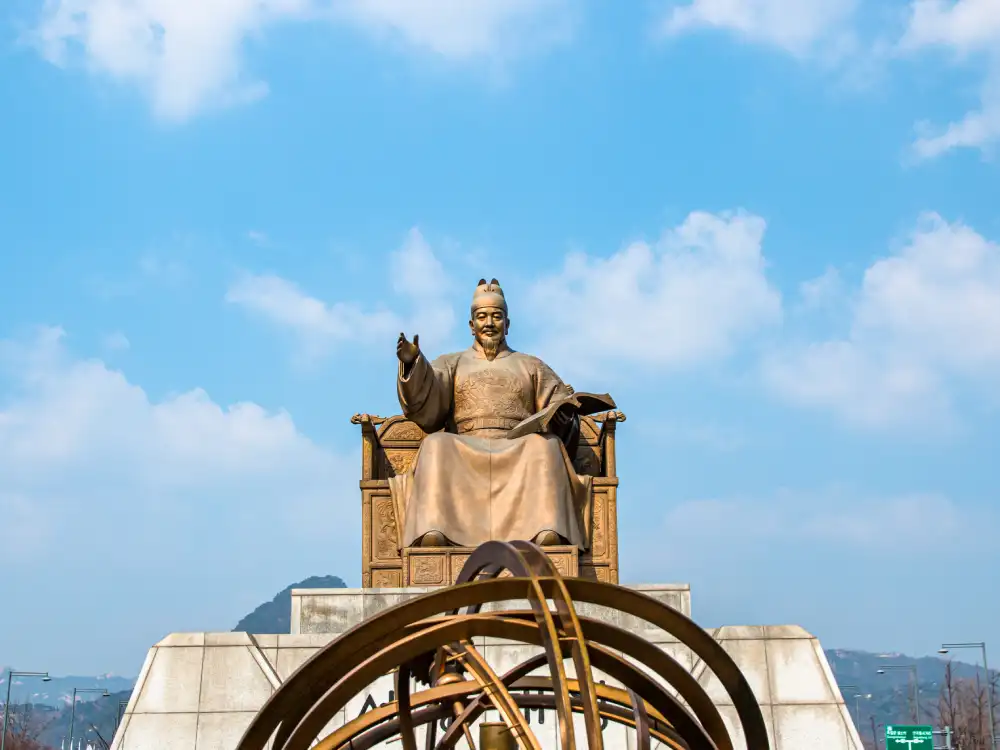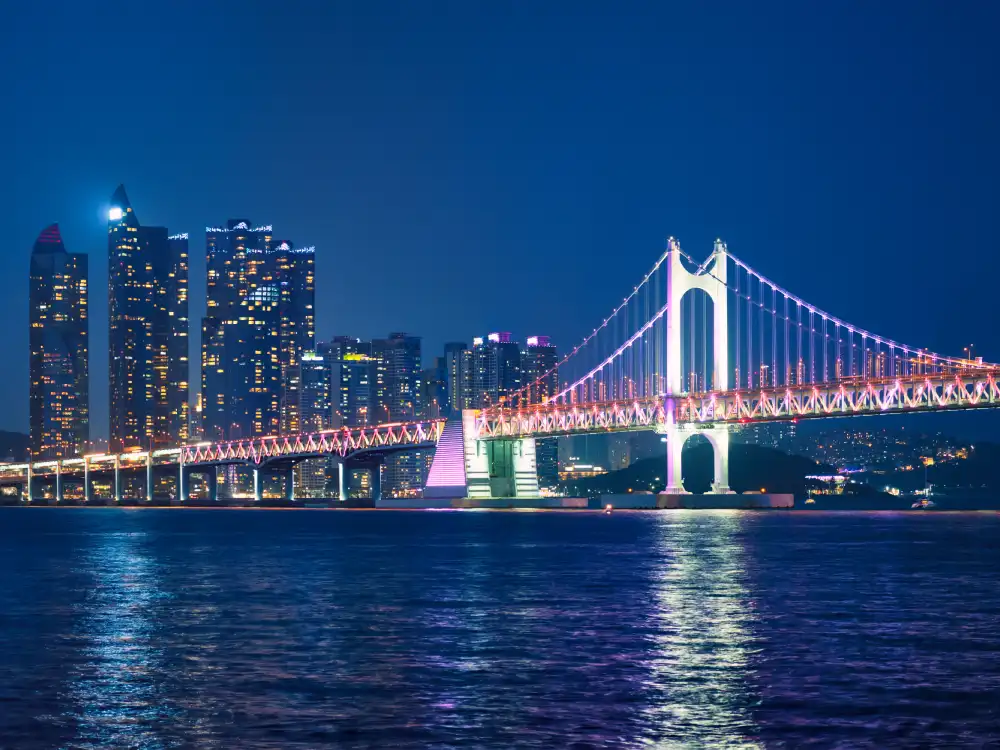
Is safety in Busan guaranteed? Discover the real safety index, essential emergency protocols, and how to protect yourself from modern scams targeting students.
Safety in Busan is backed by one of the world’s most advanced smart-city infrastructures, making it a leader in student security and digital emergency response. As of late 2025, Busan secured its spot as the 2nd safest smart city in Asia and 8th globally in the Smart Centres Index (SCI). For students and parents alike, this means the city isn’t just “quiet”. It’s proactively monitored and technologically equipped to keep you out of harm’s way.
What You’ll Learn
- Elite Ranking: Busan officially outperforms major hubs like London, NYC, and even Seoul in specific safety infrastructure metrics.
- Silent Reporting: The 112 Emergency App allows you to report incidents via text, photo, or video without speaking a word of Korean.
- Nighttime Freedom: A “brighter at night” culture means that even at 3:00 AM, major student districts are well-lit and active.
- The 1330 Safety Net: A 24/7 multi-language hotline acts as your personal translator during any police or medical emergency.
- Digital Vigilance: While physical crime is rare, safety is about spotting “Voice Phishing” and “Cult Recruiters” in busy districts like Seomyeon.
On this page:
Is Busan safe for international students?
For international students, the question isn’t just “is it safe,” but “how does it stay safe?” Busan achieves this through 24/7 CCTV monitoring and a culture where public order is a community priority.
Statistically, Busan is one of the safest places for a young person to live. With a crime index significantly lower than most Western capitals (Busan ~22.9 vs. London ~55.1), the “threat level” is remarkably low. In student hubs like Sasang and Daeyeon-dong, it is common to see students leave laptops unattended in cafes while they take a 10-minute break. Though we still recommend basic caution!
Further Learning
Curious how the coast compares to the capital? Check our Seoul Safety Reality Check to see the different security protocols in the north.
Busan Emergency Response
In an emergency, your smartphone is your strongest shield; the “112 Emergency” app can automatically transmit your GPS coordinates to the Busan Police even if you can’t describe your location.
Before you land in Busan, make sure your “Digital Safety Toolkit” is installed. These apps are specifically designed for foreigners who may not be fluent in Korean yet:
- 112 Emergency App (Police): Features a “shoutless” reporting function.
- Emergency Ready App: Provides real-time disaster alerts (weather, fire, etc.) in English.
- 1330 Korea Travel Hotline: Your go-to for 24/7 three-way translation between you and emergency responders.
Did you know?
You can call 112 or 119 from any public pay phone in Busan without coins or a card. Just press the Red Emergency Button to be connected instantly.
Is Busan Safe for Female Students at Night?
Unlike many global cities, Busan’s nightlife districts are heavily policed and well-lit, making walking home from a late-night study session a standard, low-risk activity.
For solo female students, Busan offers a level of nighttime mobility that is rare globally. Public transport and the ubiquitous Kakao T app (which allows you to share your route in real-time with friends) ensure you are never truly isolated. Whether you are walking along the Gwangalli boardwalk or through the “Bustling Streets” of Seomyeon, the sheer density of 24-hour convenience stores means help is never more than a block away.
Pro Tip
When using taxis, stay safe by checking the license plate: legitimate taxis in Korea always have yellow plates with one of four specific Hangul characters in the middle: 아, 바, 사, or 자 (easily remembered as “A-Ba-Sa-Ja”).
Recognizing Scams and Cult Recruiters in Busan
True safety in Busan requires “Social IQ”; being able to spot a “Voice Phishing” attempt or a predatory “Cultural Exchange” recruiter is more important than worrying about physical crime.
The biggest risks aren’t on the street; they are in your ears or your DMs.
- Voice Phishing: Be wary of callers claiming to be from “Immigration” or “The Prosecutor’s Office” demanding immediate payment. No official Korean agency will ask for money over the phone.
- Cult Recruiters: In areas like Seomyeon, you may be approached by friendly people offering “Traditional Tea Ceremonies” or “Free Cultural Tours.” These are often recruiters for religious cults. Simply say “Gwaenchana-yo” (I’m okay) and keep walking.
Emergency Card Contact Number in Busan
| Service | Number | Note |
| Police | 112 | General safety/crime reporting. |
| Ambulance/Fire | 119 | Medical emergencies (payment may be required for services). |
| Translation | 1330 | 24/7 English/Japanese/Chinese support. |
| Medical Referral | 1339 | To find the nearest English-speaking hospital. |
FAQ About Safety in Busan
-
Is Busan dangerous for students?
No. Busan is consistently ranked as one of the safest cities in the world, with violent crime rates that are negligible compared to global averages.
-
Is it safe to walk around at night?
Yes. Well-lit streets, high CCTV density, and 24-hour business culture make nighttime walking very safe for students of all genders.
-
Is it safe to leave belongings unattended in cafes or libraries?
It’s common and usually safe, but not risk-free. Opportunistic theft does happen, so avoid leaving passports, wallets, or laptops unattended for long periods.
-
Where can I get emergency help in English?
Call 1330 for 24/7 translation, or use the Emergency Ready App for English-language alerts and location services.
-
What should I do if I realize I was a victim of voice phishing?
Act immediately! Report the case to the police by calling 112. If you shared sensitive personal information, notify the Korea Immigration Service (1345) and your embassy. The faster you act, the higher the chance of preventing financial or identity damage.
In Summary: The Smart City Advantage
Safety in Busan is a product of world-class technology and a community culture that values harmony. By choosing Busan, you are choosing a city that uses the “Smart City” advantage to ensure your focus stays on your studies, not your surroundings.
Still feeling anxious about your move? Contact us for more information about how our student support network keeps you safe in Busan.
Choosing a neighborhood? Find the safest residential zones in our Busan Housing District Guide.