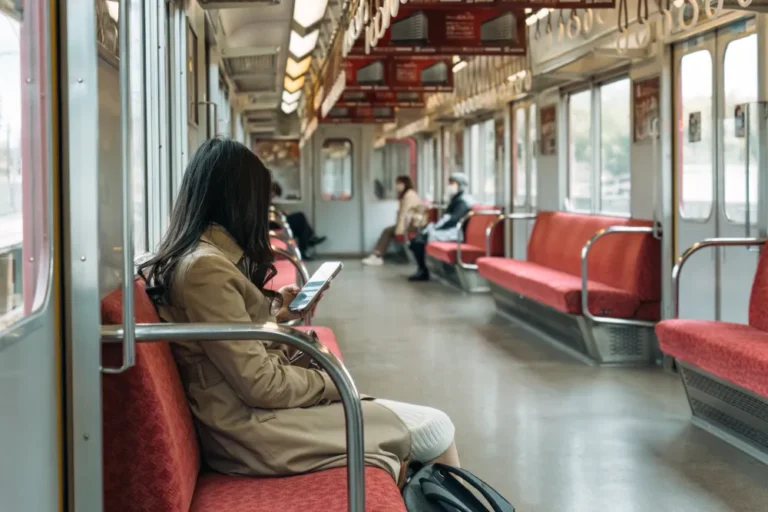
From mastering the color-coded subway map to saving money with the Climate Card, here is how to master Seoul’s transit network like a local.
Seoul’s public transportation is frequently ranked as the best in the world for a reason: it is fast, incredibly clean, and cost-efficient. However, for a newly arrived international student, the sheer scale of the system can be overwhelming. Whether you’re rushing to a 9:00 AM lecture or heading to Hongdae for the weekend, knowing the “unwritten rules” and the right apps will save you both time and money.
In 2026, the transit landscape has shifted with new unlimited pass options and digital integrations that make the “Seoul life” even more seamless. This guide covers everything you need to know about navigating the Seoul public transportation system with ease.
For a broader view of university culture and neighborhoods, read our complete Guide to Seoul’s Student Life.
What You’ll Learn
- Fast, Reliable Subway: Seoul’s subway system is one of the most efficient in the world, with Line 2’s circular loop connecting major universities, business districts, and nightlife hubs without long transfers.
- Climate Card Savings: The Climate Card offers unlimited subway and bus rides starting from KRW 55,000/month (USD 37), making it one of the easiest ways for students to control transportation costs.
- Smart Transfers Matter: Thanks to Korea’s transfer rule, tapping out and back in within the allowed time window allows transfer between buses and subways without paying a full extra fare.
- Maps That Actually Work: Kakao Map and Naver Map are essential in Seoul, as Google Maps lacks accurate transit directions, real-time bus data, and proper walking routes.
- Know the Etiquette: Keeping the basic dos and don’ts in mind will help you integrate smoothly into everyday public transit culture.
- The “Tap Out” Penalty: Always tap your card when exiting, even on buses. If you forget to tap out, you will be charged double the fare on your next ride, and you break the free transfer chain.
- The “Cinderella” Rule: The subway is not 24/7. Trains generally stop running around midnight to 1:00 AM. If you stay out later, you must take a taxi or a specialized “N-Bus” (Night Bus).
On this page:
What are the Main Types of Public Transportation in Seoul?
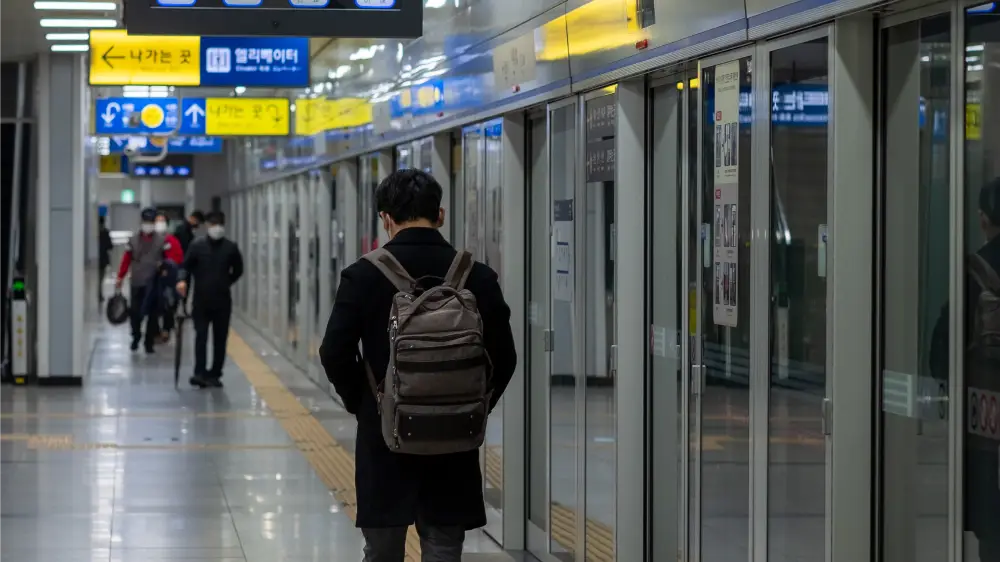
Seoul boasts one of the world’s most efficient transit networks. Whether you are rushing to class or exploring on the weekend, understanding the Seoul public transport ecosystem is key to saving time.
Table: Comparison of Public Transport in Seoul (Subway vs. Bus vs. Taxi)
A quick breakdown of the best Seoul public transportation modes, comparing the Seoul subway map efficiency against Blue and Green buses, Ttareungi public bikes, and Kakao T for late-night travel.
| Transport Mode | Best Use Case | Key Feature | Insider Tip |
| Subway (Metro) | Long distances & beating traffic. | Fastest & Punctual. English signs everywhere. | Line 2 (Green) connects most universities. |
| Blue Bus | Crossing major districts (e.g., Gangnam to Jongno). | Long-Distance. Runs on main roads. | Faster than the subway for some cross-town trips. |
| Green Bus | Getting from home to the subway station. | “Last Mile” Connector. Short routes within districts. | Essential if you live on a hill or far from a station. |
| Red Bus | Commuting from satellite cities (Gyeonggi-do). | Inter-City Express. Very few stops. | Warning: Do not take this unless you are leaving Seoul! |
| Ttareungi (Bike) | Short trips along the Han River or to campus. | Cheap Rental. ~KRW 1,000 (USD 0.70) per hour via app. | Great for bridging the gap between the station and campus. |
| Kakao Taxi | Late nights (post-midnight) or heavy luggage. | App-Based. “Uber-style” booking with set destinations. | Essential when the subway stops running (~12:00 AM). |
There are four main modes you will use daily.
1. The Subway (Seoul Metro)
The fastest way to navigate the city is traffic-free. With over 23 lines covering the capital, mastering the Seoul subway map is the first step. It is punctual, clean, and has English signage everywhere. Most university districts are anchored by Line 2 (Green Line).
2. The Bus System (Seoul Bus Color Guide)
The “Capillaries” that connect neighborhoods to subway stations. While the subway covers long distances, buses fill the gaps. Understanding the Seoul bus color guide is crucial so you don’t accidentally hop on a bus heading out of the city.
- Blue Buses (Ganseon): Long-distance runners. These connect major districts (e.g., Gangnam to Jongno) along main roads.
- Green Buses (Jiseon): The “Last Mile” connector. These are short-distance buses that circle neighborhoods to bring you to the nearest subway station.
- Red Buses (Gwangyeok): Inter-city express. These connect Seoul to satellite cities in Gyeonggi-do. Do not take these unless you are leaving Seoul!
- Yellow Buses (Sunhwan): Local loops. These circle-specific tourist or business areas (like Namsan Mountain).
3. Ttareungi (Public Bikes)
The best option for short trips along the Han River. “Ttareungi” is Seoul’s bike-sharing system. You can rent these white-and-green bikes via the app for as little as KRW 1,000 (USD 0.70) per hour. They are perfect for bridging the gap between a subway station and your campus if the walk is too long.
4. Kakao Taxi
The “Uber” of Korea. You rarely hail taxis from the street anymore. Kakao T is the essential app for booking cabs. It allows you to input your destination in English (mostly), see the estimated fare upfront, and pay via the app or credit card. It is a lifesaver for late-night study sessions when the subway stops running at midnight.
Further Reading
Check our Seoul Housing District Guide to see which transport lines and bus colors serve your specific university cluster.
What is the Difference Between T-Money and the Climate Card?
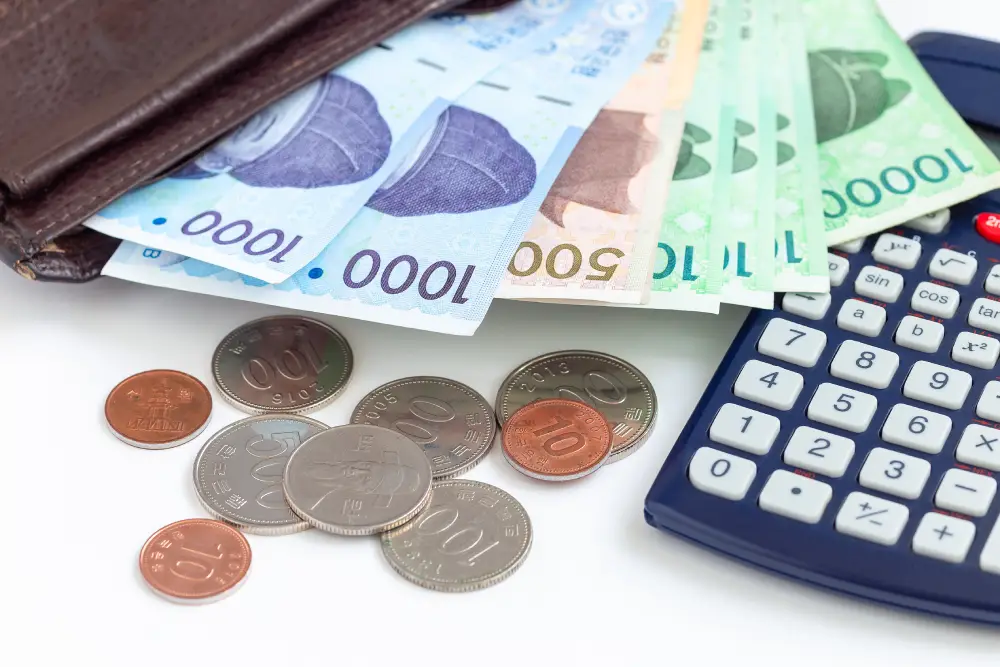
While T-Money is a “pay-as-you-go” card used nationwide, the Climate Card (Gihu Donghaeng) is an unlimited monthly pass specifically designed for Seoul residents.
For most students, the Climate Card is the superior choice for daily commuting. Launched as a green initiative, it allows unlimited rides on subways, city buses, and even the city’s public bike system (Ttareungi) for a fixed monthly fee.
Table: 2026 Cost Comparison of T-Money and the Climate Card
| Feature | T-Money Card | Climate Card |
| Initial Cost | KRW 3,000 – KRW 5,000 (USD 2 – USD 3.50) | KRW 3,000 (USD 2) (Physical Card) |
| Monthly Cost | From KRW 1,550 (USD 1.10) (Pay-per-ride) | KRW 55,000 (USD 37) (Unlimited) |
| Best For | Occasional travelers | Daily commuters |
| Coverage | Nationwide | Seoul and partial Gyeonggi-do subway route coverage |
Pro Tip
If you are between the ages of 19 and 39, you qualify for the Youth Discount. You can get the unlimited 30-day pass for just KRW 55,000 (USD 37) (without bikes) or KRW 58,000 (USD 41) (with bikes), a significant saving compared to the standard KRW 62,000 (USD 42) / KRW 65,000 (USD 45.50) adult rates.
Which Map App Should I Use? (Google Maps vs. Naver/Kakao)
Stop using Google Maps the moment you land. Due to local security regulations, Google Maps cannot provide detailed mapping, accurate walking directions, or real-time transit information in South Korea.
To navigate Seoul like a pro, you must download either Naver Map or Kakao Map. These apps are fully optimized for the local environment and provide:
- Real-time bus arrivals (down to the second).
- Subway car recommendations (which door is closest to your transfer).
- “Crowdedness” alerts for specific subway lines.
- Precise walking directions through narrow alleys that Google simply doesn’t recognize.
Did you know?
Korean security laws prevent foreign companies from exporting map data, which is why Google Maps is limited.
How Does the Free Transfer System Work?
The “Transfer Rule” (Hwan-seung) allows you to switch between the subway and a bus (or between different bus lines) for free or at a heavily discounted rate, but only if you tap out.
In Seoul, you aren’t just paying for a “ride”; you are paying for a “journey.” You can transfer up to 4 times within a single trip at no extra base cost, provided you follow these rules:
- Tap Out Every Time: Even on the bus! If you forget to tap your card on the reader when exiting, the system cannot “close” your journey, and you will be charged a penalty fare on your next ride.
- 30-Minute Window: You must tap onto your next vehicle within 30 minutes (extended to 60 minutes between 9:00 PM and 7:00 AM).
- No Same-Line Transfers: You cannot get a free transfer if you get off a bus and then get back on the same bus number.
Seoul Bus Colors Explained
The color of a Seoul bus isn’t just for show; it tells you exactly where that bus is headed.
- Blue Buses (Mainline): These travel long distances across major districts and use the center bus lanes to skip traffic.
- Green Buses (Branch or Town): These connect residential areas to major subway stations. The smaller “Maeul” (Village) buses are also green and handle the hilly “last mile” to campus.
- Red Buses (Rapid): These are express buses connecting Seoul to surrounding areas like Incheon or Gyeonggi-do. These have higher fares (approx. KRW 3,000, USD 2).
- Yellow Buses (Circular): These loop around specific tourist or business districts like Namsan or Gangnam.
Subway Etiquette: Dos and Don’ts
Korean subway culture is built on mutual respect and silence.
The Dos
- Keep it Quiet: Loud phone conversations or playing music without headphones is considered very rude.
- Wait in Line: Stand to the side of the doors and let passengers exit completely before you attempt to board.
- Crucial Rule: Never sit in the ‘Pink Seats’ (reserved for pregnant women), even if the train is empty. This is a strict social rule in Korea.
The Don’ts
- Don’t Sit in “Priority Seats”: The yellow-marked seats at the ends of the cars are for the elderly, disabled, and injured. In Korea, young people never sit here, even if the train is empty.
- Don’t Eat or Drink: While not strictly illegal on the subway (unlike the bus, where open drinks are banned), eating a full meal is socially frowned upon.
- Don’t Block the Left: On escalators, stand on the right. The left side is for people who are walking and passing by.
Master the “Last Mile” with Ttareungi
Seoul’s public bike-sharing system, Ttareungi, is the ultimate hack for students living just a bit too far from the station.
With over 2,500 stations across the city, you can rent a bike via an app and drop it off near your university gates. If you have the Climate Card (KRW 58,000 / USD 41 for the youth rate), these bike rentals are included for free!
FAQ About Seoul Public Transportation
-
How to pay for public transport in Seoul?
Most people use a T-Money card or the Climate Card, which you tap when entering and exiting buses or subway stations. Cards can be purchased and topped up at convenience stores and subway machines, and fares are automatically calculated.
-
Is public transport good in Seoul?
Yes. Seoul’s public transportation system is fast, clean, affordable, and extremely reliable, with extensive subway and bus networks that cover nearly every part of the city.
-
How easy is it to get around Seoul for international students?
Very easy. Subway signs are in English, Korean, Chinese, and Japanese, stations are well-marked, and apps like KakaoMap and Naver Map make navigation simple even for first-time visitors.
-
What is the difference between the T-Money card and the Climate Card?
A T-Money card is pay-per-ride and best for occasional travel, while the Climate Card offers unlimited subway and bus rides for a fixed monthly fee, ideal for daily commuters and students.
-
Does the Seoul subway run 24 hours?
No. Most subway lines run from around 5:30 a.m. to midnight, but late-night buses (N-Buses) operate after hours, and taxis are widely available throughout the night.
-
Can I use Apple Pay to ride the subway?
Generally, no. As of 2026, Apple Pay support on Korean transit is still extremely limited. You must use a physical T-Money card, a Climate Card, or a Samsung Pay-enabled Korean device. Do not rely on your iPhone’s wallet app at turnstiles.
-
What should I do if I lose my phone or bag on the train?
Don’t panic. Korea has an incredible lost-and-found rate. Note the train car number (written on the floor or doors) and the time. Go immediately to the station office (Customer Service Center). Most lost items are turned in within hours. You can also check the Lost112 police portal online.
In Summary: Ready to commute like a local?
Mastering Seoul’s public transportation is about more than just getting to class; it is about unlocking the entire city for under KRW 65,000 a month. By switching to Naver Map, securing your Climate Card, and respecting the “Pink Seat” etiquette, you turn a complex network into your personal shuttle service. You are no longer just a student; you are navigating like a local.
Confused by the routes? Contact us for a consultation on student life and housing near convenient stations.
Now that you know how to get around, read our Seoul Cost of Living Guide to see the full monthly breakdown for your transit budget.