From mastering the rhythmic “Satoori” to beachside study sessions at Gwangalli, discover why student life in Busan is Korea’s best-kept secret for social balance.
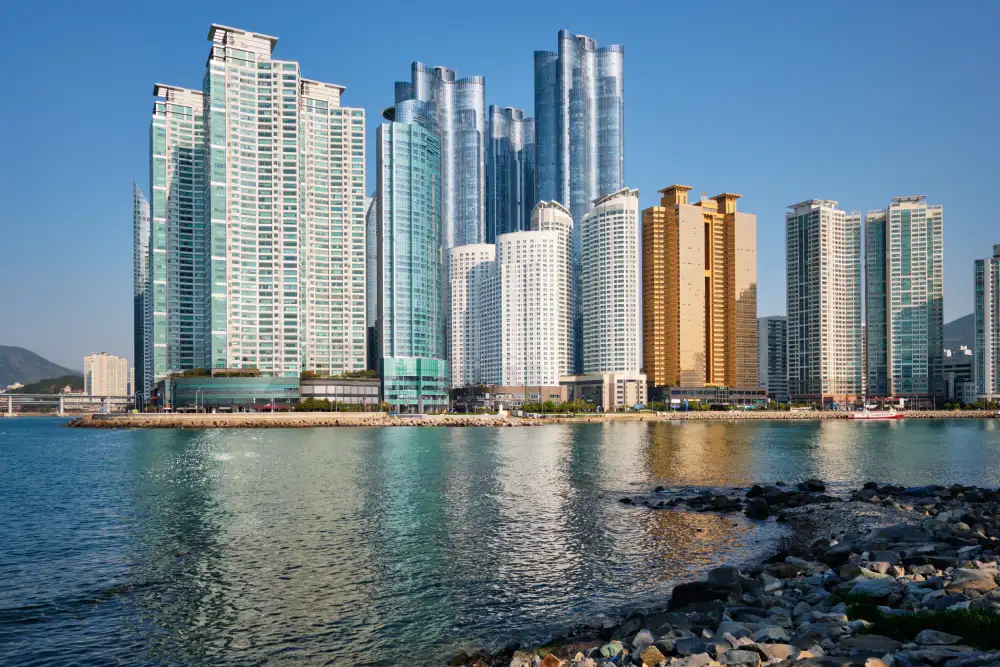
In 2026, thriving in student life in Busan means embracing a “balanced” Korean experience where world-class urban infrastructure meets a laid-back coastal attitude. While Seoul often feels like a high-speed chase toward the future, Busan offers a unique sensory landscape: the salt in the air at Gwangalli, the neon glow of Seomyeon’s nightlife, and the rhythmic, melodic “aggressiveness” of the local dialect. For the international student, Busan isn’t just a place to study; it’s a place to belong.
What You’ll Learn
- The Coastal Pace: Unlike the intense “Pali-Pali” (hurry-hurry) culture of Seoul, Busan offers a slower daily rhythm that prioritizes mental well-being and outdoor living.
- Satoori Pride: The local dialect is a badge of honor; using even a few phrases builds instant rapport with the famously “tough but warm” locals.
- Southern “Jeong”: Busanians are known for being blunt, but their “Jeong” (deep affection) means once you’re in their circle, you’re family for life.
- Sea-to-Mountain Campus: Universities like Silla and Kyungsung offer campuses where you can hike a mountain in the morning and hit the beach by sunset.
- Beachside Socializing: From Saturday night drone shows to fireworks on the sand, the ocean is the city’s living room.
On this page:
Is Busan different from Seoul? The Coastal vs. Urban Vibe
While Seoul moves at light speed, student life in Busan follows the tide, offering a “Main Character” experience that trades skyscraper fatigue for seaside serenity.
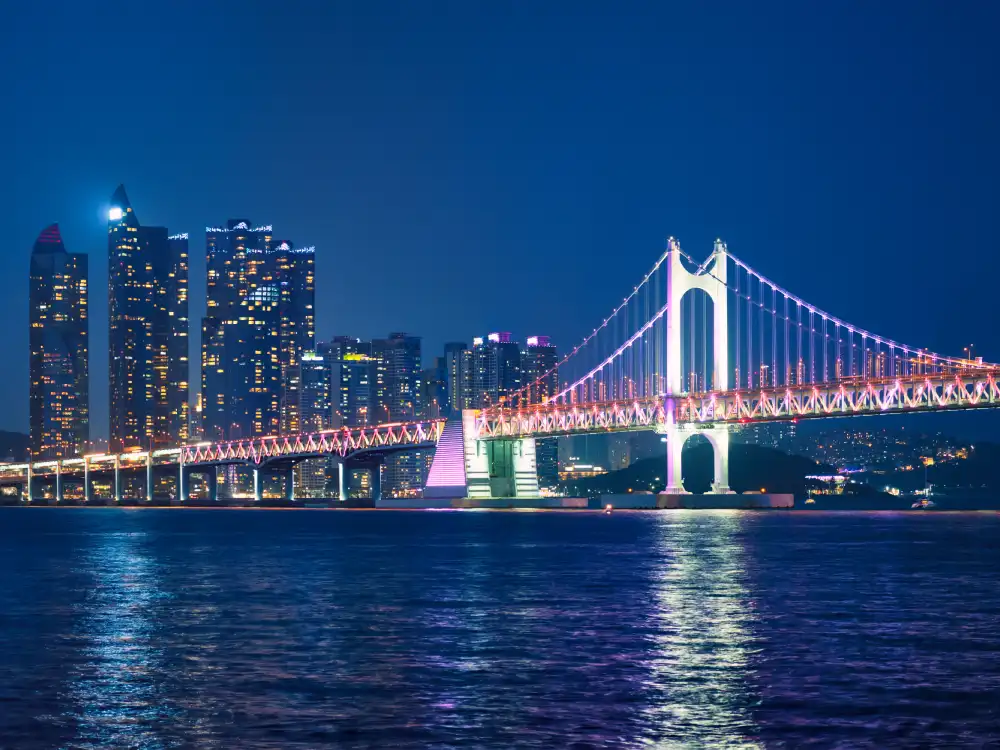
If Seoul is the “Premium” hub of fashion and corporate hustle, Busan is the capital of “Life Balance.” Students here often report lower stress levels because the city encourages you to breathe. You still get the world-class subways and 24-hour convenience, but without the suffocating density of the capital. In Busan, the “Seoul Speed” is replaced by a culture that values lingering over a coffee with a view of the Diamond Bridge.
Vibe Check: Seoul: Fast-paced, competitive, “foreigner bubble” friendly.
Busan: Balanced, community-driven, authentic immersion.
Do I need to speak the Busan dialect (Satoori) to study there?
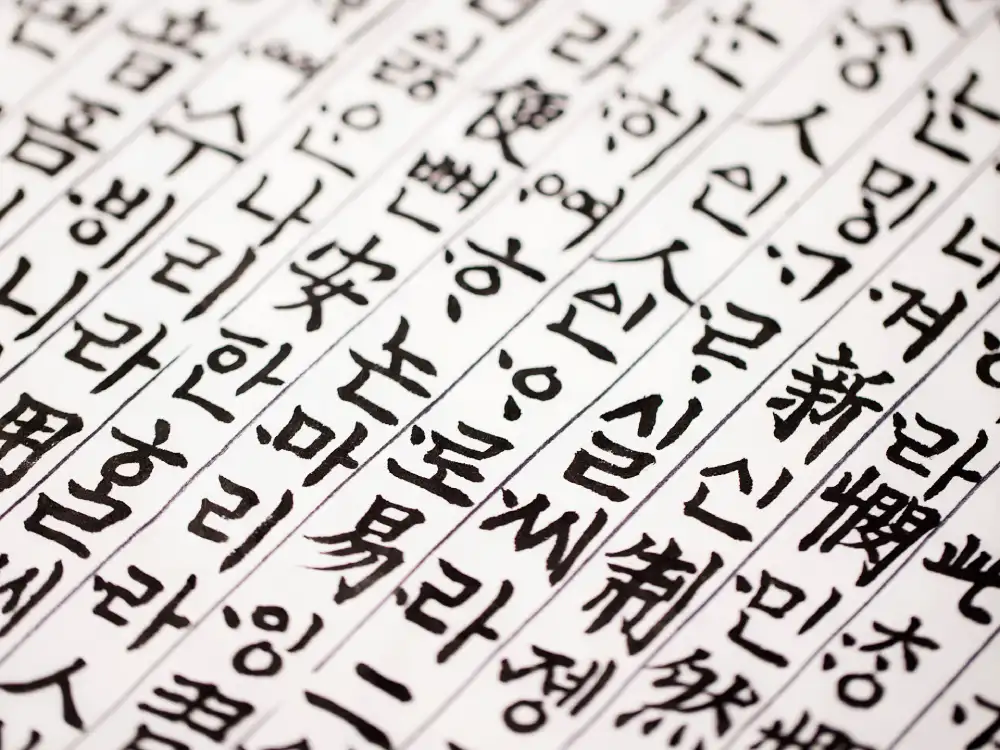
You don’t need to master Satoori for your degree, but learning the rhythmic “Busan accent” is your golden ticket to the “Southern Warmth” that makes living here so rewarding.
Standard Korean (Pyojun-eo) is the language of your textbooks and professors at Kyungsung or Silla. However, the street language is pure Busan. Satoori sounds more musical and forceful than the flat tones of Seoul. To an untrained ear, it might sound like people are arguing, but they are usually just passionately discussing what to have for lunch!
Your Busan Satoori “Cheat Sheet”
| Phrase (Standard) | Busan Satoori | English Meaning |
| Bap meogeosseo? | Bap munna? | Did you eat? (The ultimate greeting) |
| Mworago haesseo? | Morakano? | What did you say? |
| Jeongmal? | Matchi! | Right? / Really! |
| Gwaenchana. | Dwaetda. | It’s okay / Forget about it. |
Pro Tip
Saying “Bap munna?” instead of standard Korean can turn a transactional interaction into a friendly one, especially with shop owners, taxi drivers, and older locals.
Making friends as a foreigner: Southern “Jeong” and Group Life
Making friends in Busan as a foreigner often involves passing the “Ice-Break Test”. Once locals see you making an effort to learn their culture, their loyalty is famously fierce.
The concept of Jeong (social warmth) is turned up to eleven in the south. To integrate, head to Kyungsung University Street or visit a local restaurant! Unlike the often-transient international social scene in Seoul, Busan’s community is tight-knit. Joining a Dongari (university club) is the fastest way to move from being an “outsider” to a local regular at the neighborhood Gukbap (soup and rice) spot.
Insider Warning!
Join one Dongari, not five.Busan club culture values consistency over quantity. Showing up every week to one group builds deeper connections than spreading yourself thin.
What do students do for fun in Busan?
From the neon lights of Seomyeon to the world-famous Jagalchi Fish Market, student fun in Busan is defined by its diversity of “Sea, City, and Sight.”
- Seomyeon: The beating heart of Busan’s nightlife. If you want neon lights, underground shopping, and endless K-BBQ, this is your zone.
- Gwangalli Beach: Famous for the Saturday Drone Light Show and “Chimaek” (chicken and beer) on the sand.
- Sasang & Daeyeon-dong: These are the “real” student hubs. They offer affordable eats and hidden cafes that haven’t been “Instagram-ruined” yet.
- Shinsegae Centum City: Visit the world’s largest department store for a “Main Character” shopping day or a luxury spa experience at Spa Land.
How is international student life in Busan? (The Reality Check)
International student life in Busan is for the “Active Integrator”. Those who want to learn standard Korean in the classroom but experience “real Korea” every time they step outside.
The “Foreigner Bubble” is much smaller here than in districts like Itaewon. This means you will be “forced” to use your Korean, which is the fastest way to fluency. While you might occasionally face a language barrier with the older generation’s thick accent, the trade-off is a significantly lower cost of living and a community that is genuinely curious and welcoming toward international residents.
FAQ About Student Life in Busan
-
How is international student life in Busan?
It is energetic and community-oriented. You get a mix of urban excitement and beach relaxation at a much more affordable price point than Seoul.
-
Do they speak English in Busan?
English is common in tourist areas like Haeundae and around major universities. However, learning basic Korean is essential for navigating daily life and making local friends.
-
Is it easy to make friends as a foreigner?
Yes! If you are proactive. Busan locals are known for being outgoing. Joining university clubs (Dongari) or attending local festivals like the Busan International Film Festival (BIFF) is key.
-
Do I need to learn Satoori?
No. Your classes will be in Standard Korean or English. Satoori is purely for social “flavor” and building local rapport.
-
Is Busan more conservative than Seoul?
Slightly, especially among older generations. However, students are generally open-minded and curious about foreigners.
In Summary: Embracing the Busan Spirit
Thriving in Busan requires more than just high grades; it requires an open heart for the local Satoori and a spirit of adventure. By choosing Busan, you aren’t just choosing a university; you’re choosing a lifestyle that values the sunset as much as the syllabus.
Worried about fitting in? Contact us for a consultation to find a university program with strong international student support in Busan. Curious about the cost of a beachside coffee? Check our Busan Cost of Living Guide for 2026 student budgets.